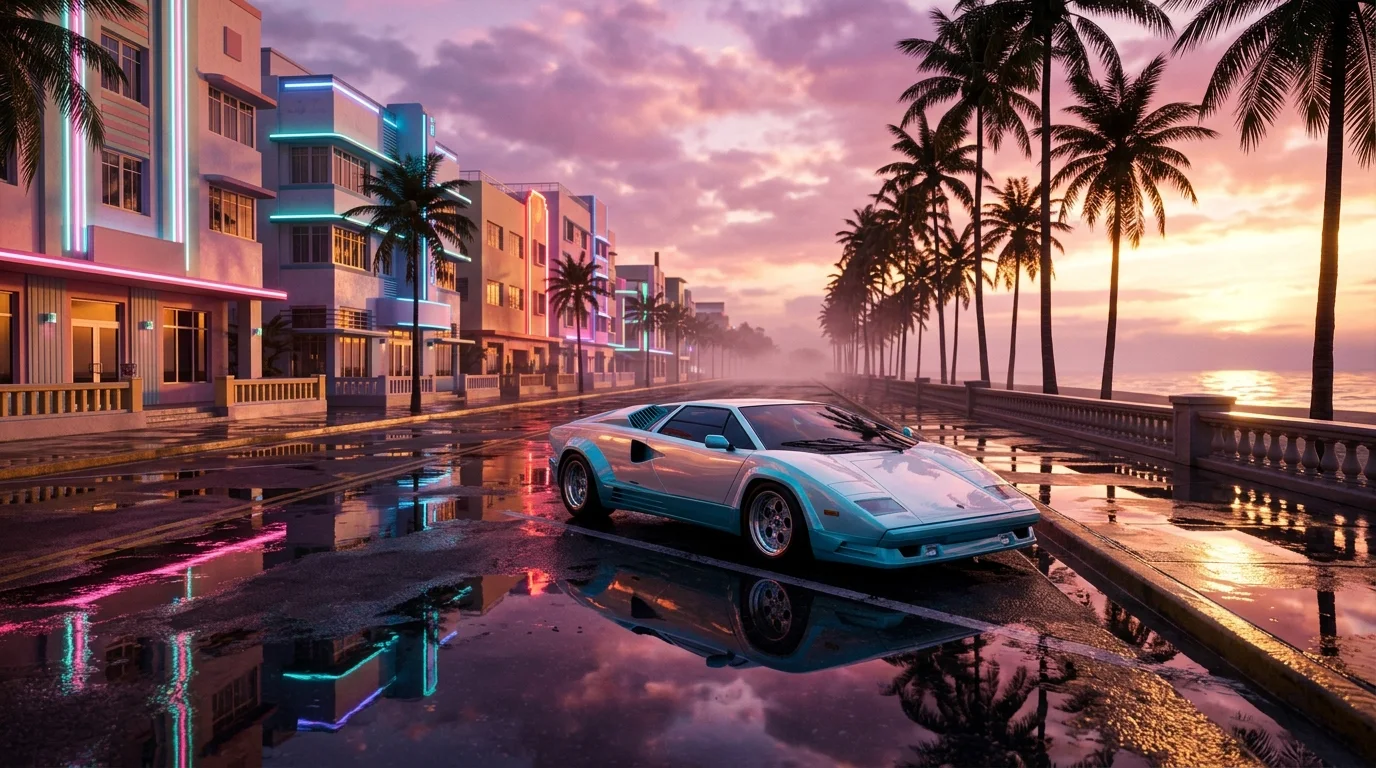
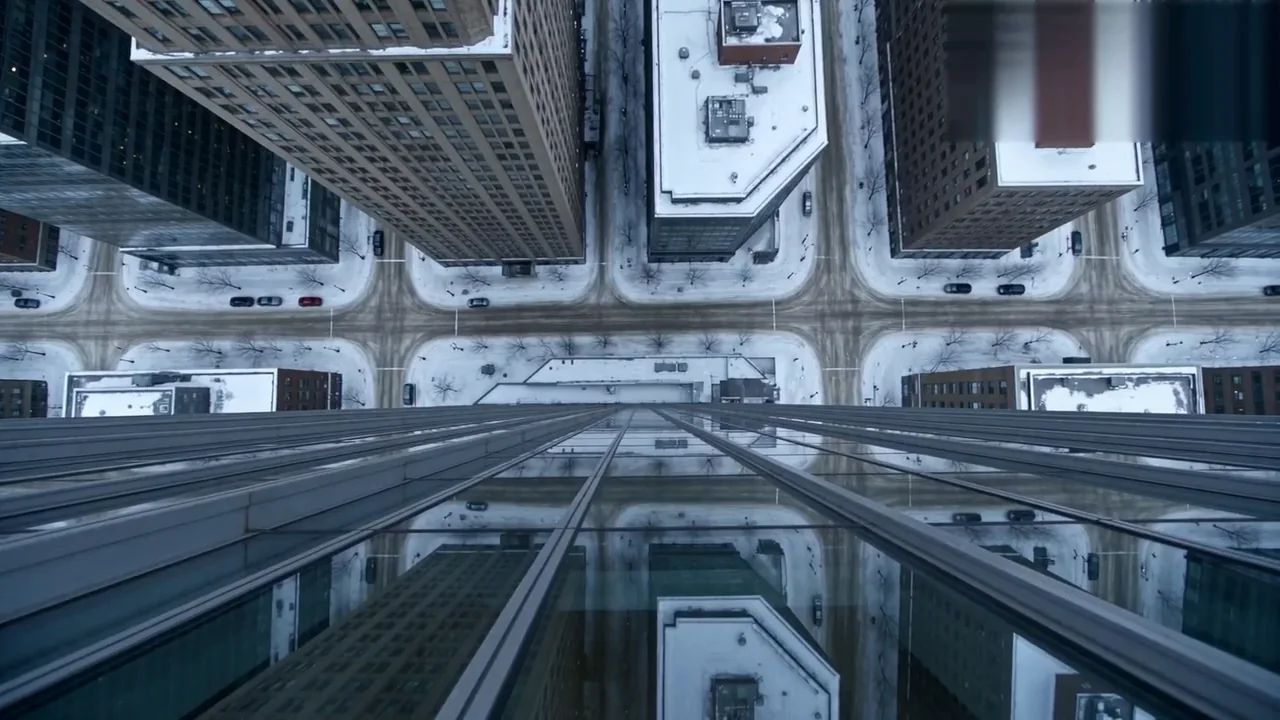
Core Findings: MAGI-2 vs. Seedance 2.5, Kling 4.0 & Wan 3.0
In this hands-on MAGI-2 review, we compare all four models side-by-side under identical prompts and reference inputs. Here are the concrete pricing, pros, and cons measured across our test suite:
| Model | Pricing | Pros | Cons | Best For |
|---|---|---|---|---|
| MAGI-2 (1080p / 25fps) | 2.8 credits/s (~$0.08/s, $0 input-video surcharge) | Native 1080p sharpness, accurate 0-2s / 2-5s hard cuts, synced foley & dialogue, 9:16 product locking |
Peak 1080p queues take longer than 720p draft models; requires structured lock prompts | Final 16:9 & 9:16 ads, multi-beat stories |
| Seedance 2.5 (720p / 24fps) | ~$0.17–$0.53/s (measured across edit/standard runs) | Fast ~100s turnaround in Flash mode, strong dynamic camera energy, good multi-reference retention | 720p base detail is softer on hair/particles; occasional combat slow-down | Rapid 720p drafts & high-energy reels |
| Kling 4.0 | Tiered by resolution & duration | Clean atmospheric lighting and natural human motion on single-subject shots | Weaker identity locking when 6+ reference images interact in one scene | Single-subject cinematic B-roll |
| Wan 3.0 | Tiered by resolution & duration | Accessible stylized textures and fast short-clip generation | Fine product geometry and multi-reference consistency drift on complex cuts | Stylized concept exploration |
1. 3D Animation, Sunset Lighting & Audio Sync (16:9 · 5s)
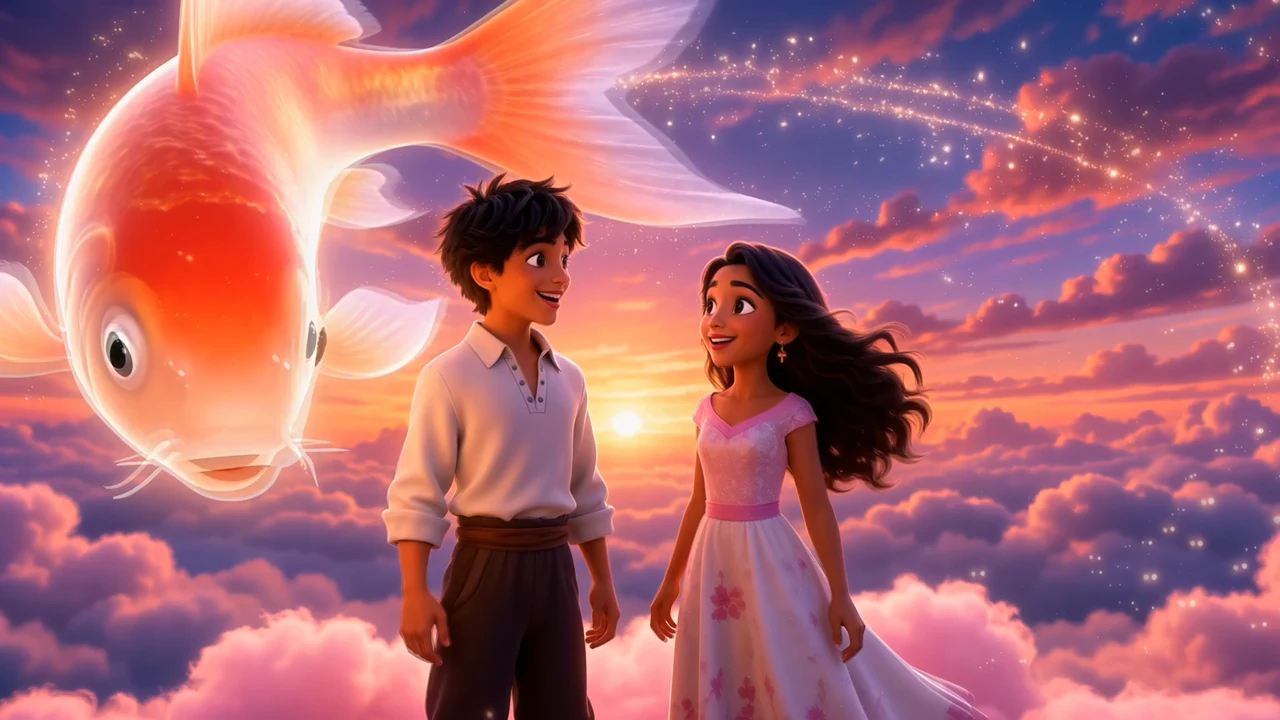
Using the AI video generator in Text-to-Video mode, compare MAGI-2 (1080p) and Seedance 2.5 (720p) on soft volumetric sunset clouds, stardust reflections on both faces, and synchronized wind chimes with an orchestral swell at 2–5s.
What to Look For: Watch facial expression clarity, cloud edge softness, and how the stardust trail illuminates both characters during the 2–5s koi orbit.
A young man and a young woman stand on a fluffy pink cloud in a vibrant sunset sky. A friendly, glowing giant koi fish made of stardust floats slowly around them. 0-2s: The camera pushes in on the characters’ faces as they look up in wonder. 2-5s: The fish circles the pair, leaving a trail of shimmering sparkles. The art style is high-end 3D animation with soft, magical lighting.
Sound: Ethereal wind chimes and a gentle, sweeping orchestral swell.
2. Real-Time Combat & Hard-Cut Spatial Continuity (16:9 · 5s)
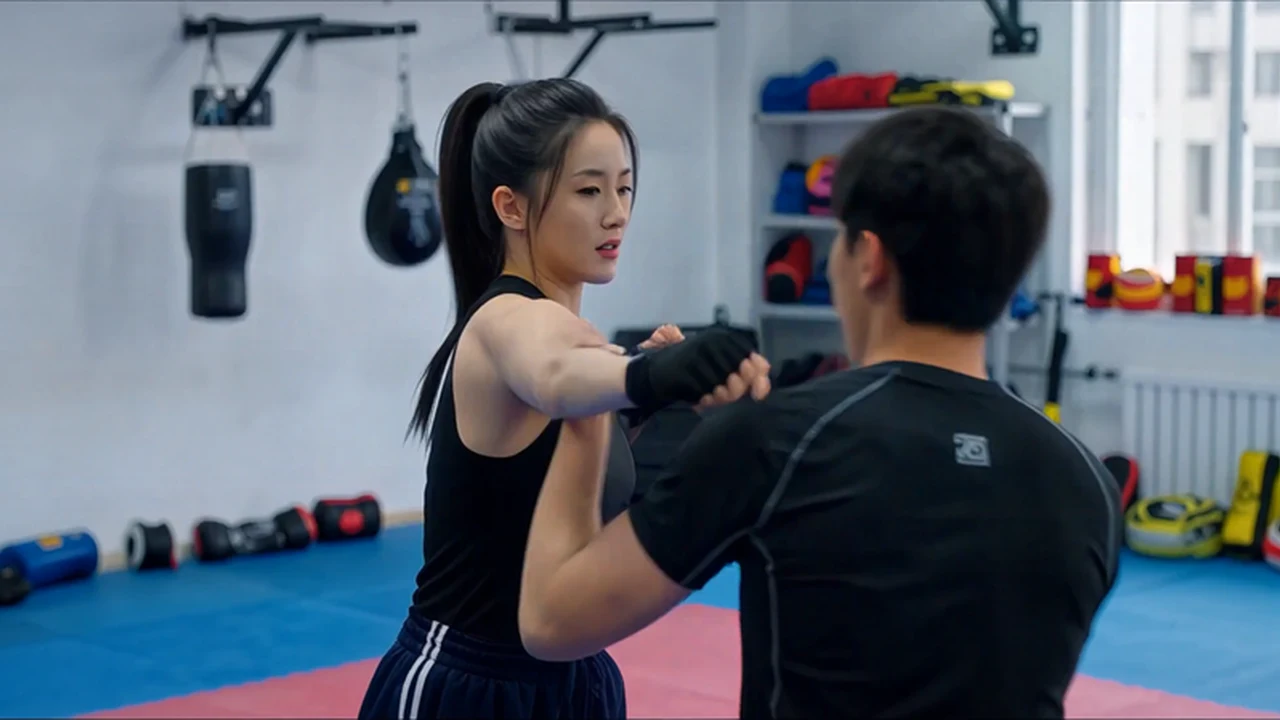
Many video generators default to slow motion on combat scenes to hide limb distortion. This test explicitly demands real-time speed and strict left/right fighter placement across a 2-second hard cut.
What to Look For: Check whether the kick and crouch happen at believable real-time speed, and whether both fighters keep their assigned left/right positions after the 2s cut.
Real-time speed, no slow motion anywhere in the clip. A young man and a young woman spar in a training hall. 0-2s: Wide shot, camera locked. She snaps a roundhouse kick at head height; he drops into a crouch and her foot passes over his head. 2-5s: Hard cut to a medium shot, she stays on the left, he stays on the right. He springs up and shoves her shoulder; she takes two quick steps back and raises her guard.
Sound: Sharp whoosh of the kick, feet thudding on the mat, quick breathing.
3. Commercial Product I2V, Character Consistency & FPV One-Take (9:16)
All four clips below are native vertical 9:16 runs evaluating luxury perfume bottle locking with synced water-drop audio, 3-shot female character consistency (12s), and a 10-second FPV forest one-take. For swapping yourself into existing footage, see reference-video character swaps.
What to Look For: In the perfume pair, inspect glass facets, the brass collar, and the 2s hard cut; in the bottom pair, check facial identity across 3 angles and smooth tree/water traversal.
4. Multi-Reference Grid & Action / Emotion / Dialogue Comparison
Testing how MAGI-2, Kling 4.0, Wan 3.0, and Seedance 2.5 handle 6 identical reference images over 15 seconds, alongside a side-by-side action, facial emotion, and spoken dialogue test (see per-second credit pricing for full rate details).
5. Four Prompting Rules (Visual Cheat Sheet)
Pair these visual prompting rules with templates in the prompt library:

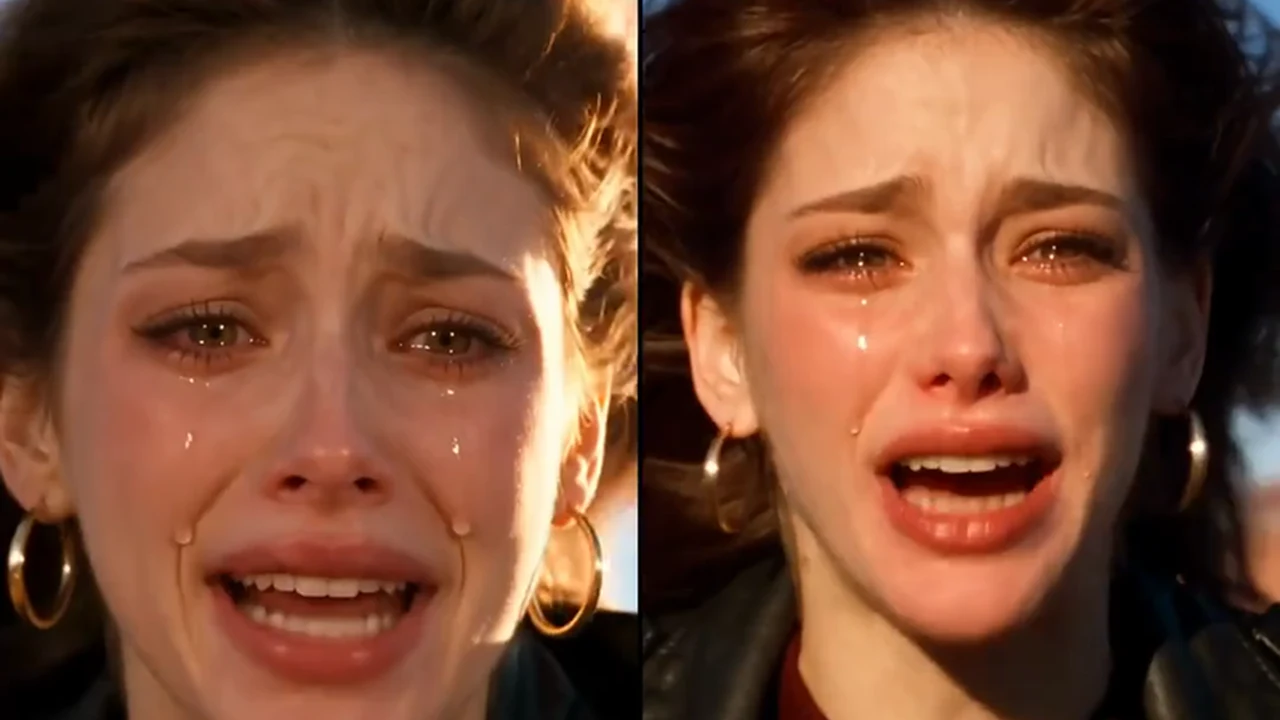
6. MAGI-2 Review FAQ
How long does a 1080p MAGI-2 generation actually take?
In real-world runs, 720p draft iterations typically finish in ~100 seconds, whereas native 1080p MAGI-2 renders take roughly 4 to 16 minutes depending on upstream queue depth.
Why do some action prompts get blocked by safety filters, and how do I avoid it?
Generic moderation endpoints often flag words like blood or gunfight even in fictional scenes. Describe non-graphic martial arts choreography, camera shakes, and lighting instead.
Should I render in 16:9 or 9:16, and can I use outputs commercially?
Match your target platform—9:16 for Reels, Shorts, and TikTok, or 16:9 for widescreen ads and YouTube. Generated assets are cleared for commercial ad and creator workflows.
Do I need a green screen or 3D rig to swap a person into a reference video?
No. Upload one clear waist-up daylight portrait alongside a 2–30s reference clip; the model automatically relights skin, glasses, and clothing into the scene.